


Left rectangle ads redesigned


Robert Ripps book

History of Tribeca Buildings

What congestion pricing has made to date
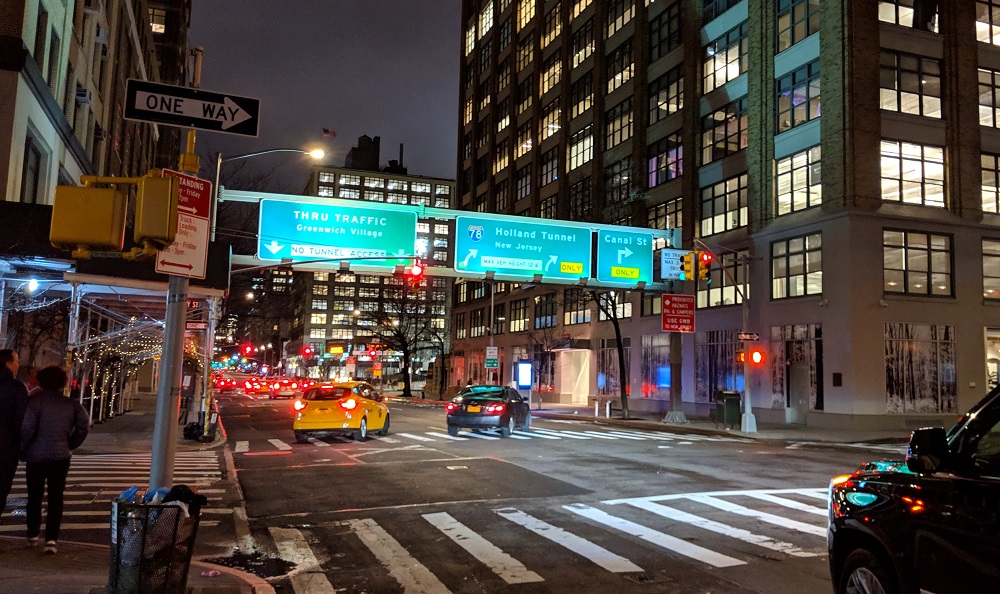
The MTA released revenue numbers generated from the first three weeks of congestion pricing, from Jan. 5 to Jan. 31: $48.66 million, or a net of $37.5 million after paying back the cost of implementing the tolling system.
I knew there was a state mandate that the program raise $1 billion annually, and clearly $48 million or so a month doesn’t hit it. But here’s Charlie Komanoff’s much better analysis. Keep in mind that the governor readjusted the tolls to make them more palatable, so while originally the cost was supposed to be $15 per trip, it is now $9 and will go up gradually to $15 by 2031.
So to Charlie’s very quick analysis: $48.66m for Jan. 5-31 prorates to $658m for 365 days. He thinks it’s likely that the amount will rise — with the rebound effect + better weather. $658m prorates to $877m with a $12 toll, and to $1.1b with $15. (These calculations are simplistic and shouldn’t be slavishly relied on, he added.)
Basically, it’s not only working on the ground Downtown, but it is generating the promised revenue.
You can read an analysis at The Times here and Bloomberg here.
Of the $48 million, 68 percent came from passenger vehicles, 22 percent came from taxis and for hire vehicles, 9 percent from trucks, and 1 percent from buses and motorcycles. And 95 percent of revenue was generated during peaking tolling hours. Expenses from the program including operating camera infrastructure and customer service amounted to $9.1 million and another $2 million for mitigation efforts totaling $11.1 million.
The MTA will report the revenue here each month.
Comment:
Medium rectangle #1 (top)

Right column rectangle ads



Restaurant guide icon