


Left rectangle ads redesigned

Robert Ripps book
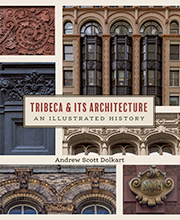
History of Tribeca Buildings

Some how-tos on Ranked Choice Voting
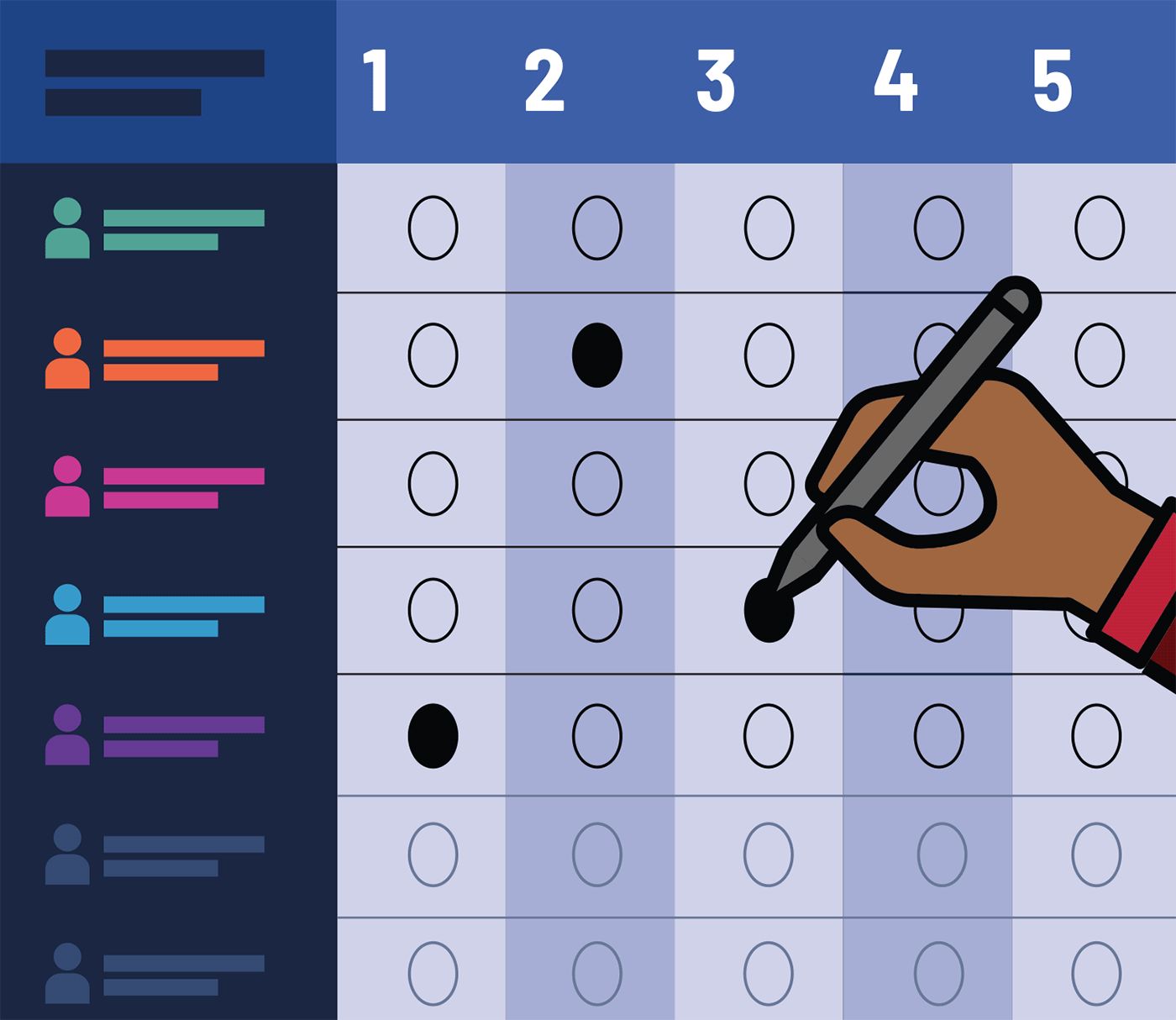
A couple of readers asked me to explain Ranked Choice Voting and while I think I get it, I am hardly qualified. So here’s an aggregation of explainers, starting with VOTE411 from the League of Women Voters, and then the NYC Board of Elections. NB: most of the info below is for Democrats; Republicans only the office of comptroller on their primary ballots.
Ranked Choice Voting, which we adopted in 2019, lets you rank up to five candidates running for the same position, from your top choice to your fifth choice. You *can* still pick just one person to vote for or rank fewer than five people. The ballot looks like the illustration above. You *cannot* put the same person down for all five choices.
ON OUR BALLOTS
- Mayor: 11 candidates (can vote for 5)
- Public Advocate: three candidates (can vote for 5)
- City Council: 4 candidates (can vote for 5)
- Manhattan Borough President: 3 candidates (can vote for 5)
- Manhattan District Attorney: 2 candidates (can vote for 1)
- Delegate to the Judicial Convetion NYC Assembly 66: 26 candidates (can vote for 15)
- Alternate Delegate to the Judicial Convetion NYC Assembly 66: 23 candidates (can vote for 15)
HOW IT WORKS
It’s sort of a decision tree:
- All first-choice votes are counted. If a candidate receives more than 50 percent of first-choice votes, that candidate wins and the process ends.
- However, if no candidate earns more than 50 percent of first-choice votes, then counting will continue in rounds.
- At the end of each round, the last-place candidate is eliminated and voters who chose that candidate now have their second choice vote counted. In other words, your second choice gets counted only if your first choice is eliminated.
- This process continues until there are two candidates left. The candidate with the most votes wins.
A GOOD VISUAL
The Times did this excellent interactive story showing how Eric Adams eked out a victory by 7000 votes in the last election, ultimately over Katherine Garcia. He would not have won a regular election — he only had 30 percent of the vote initially. In the traditional system, he would have needed 40 percent to win, and there would have been a runoff.
YOU CAN PRACTICE THE BALLOT HERE
AND MORE EXPLAINERS IF YOU NEED THEM FROM:
Gothamist
The City
ACLU of New York
3 Comments
Comment:
Medium rectangle #1 (top)

Right column rectangle ads



Restaurant guide icon


Rank choices, indeed!
https://nycvotes-frontdoor-e6btczg8gpffcqd9.a02.azurefd.net/media/nyka43av/img-1.png
Thank you for this explanation. Is there a summary or table
online somewhere of all the candidates and their stances on major issues?
I found nyc2025.com to be super instructional, has a ton of context and links.