


Left rectangle ads redesigned

Robert Ripps book
History of Tribeca Buildings
Spotlight: TriBeCa Community School
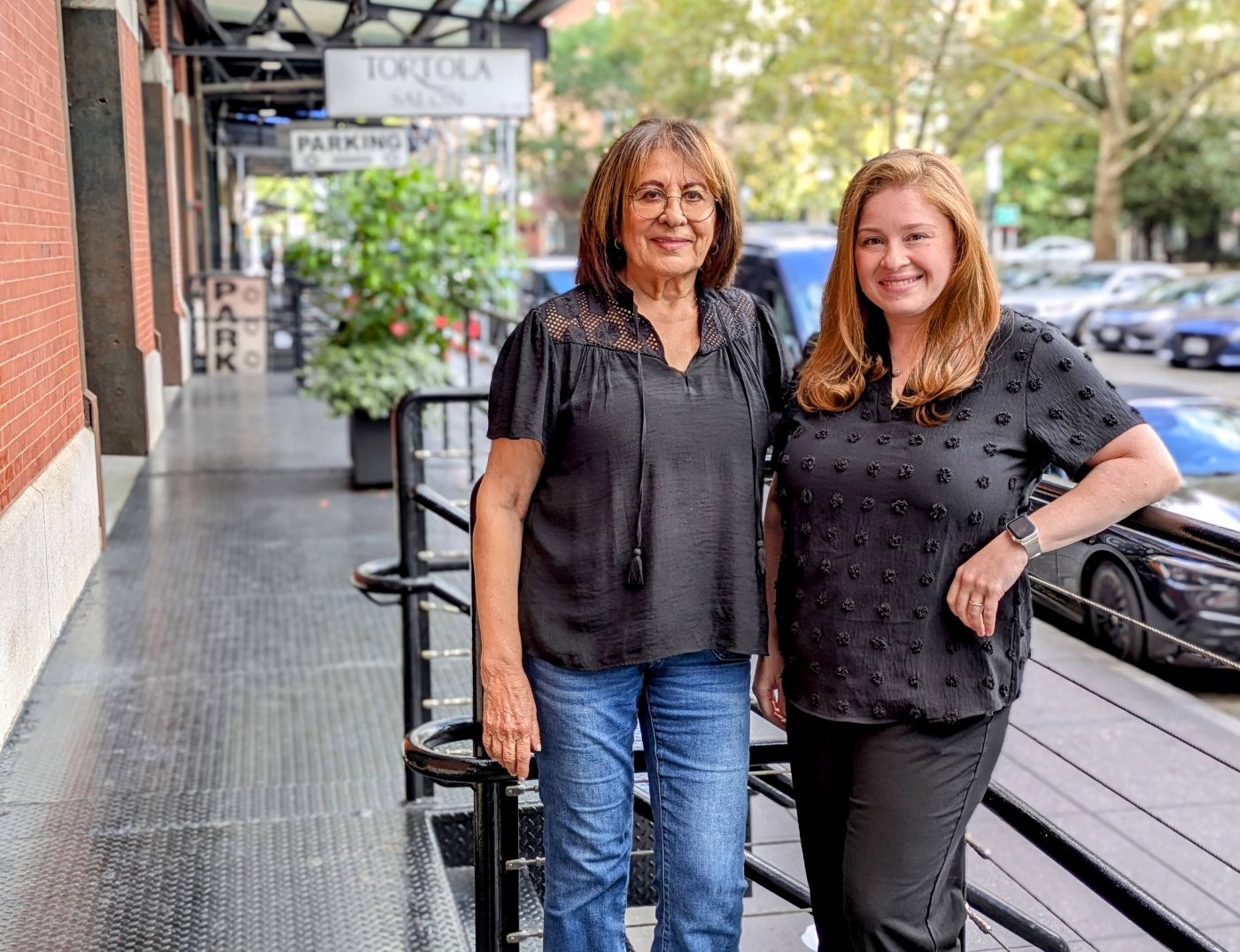
The Spotlight feature is reserved for the businesses that have been around awhile and don’t get the coverage they should. And in this case, it’s TriBeCa Community School, founded by Ayala Marcktell 20 years ago on Ericsson Place. And while it was bought by Portfolio School founders Douglas Schachtel and Babur Habib in 2018, she is still involved. Kristen Pallonetti was one of Ayala’s first hires, brought in to teach in 2009 right out of college. Now her son is one of the students.
How did you get started in this business?
Ayala: I was a physical education teacher so early education was not my background, but it was a passion. I was an athlete in Israel — I ran the 800 meter after high school — and was supposed to train for the Olympics when my life changed. I met a teacher who taught me to dance and she ecouraged me to apply to Julliard. I came to New York to go to Julliard for modern dance, ended up at Martha Graham and met my husband, who was a musician.
Life takes you around.
A couple years later, her husband saw a little note in The New York Times for a mansion in Briarwood, Queens, with a school on the first level — the Pickwick School. We barely had money to buy food, but we were able to lease the house with an option to buy. We built the school up and we eventually bought the house and raised our children upstairs.
How did you end up in Tribeca? Why here?
Ayala: After I sold the Pickwick School, I wanted something different and unique — different than a daycare. And I had learned about the Reggio Emilia philosophy. I looked at different neighborhoods in the city — I used to love in the Upper West Side. But I came downtown and I was sitting in Tribeca Park to see what the neighborhood was like and I saw a lot of children. That’s it! So I looked for a space.
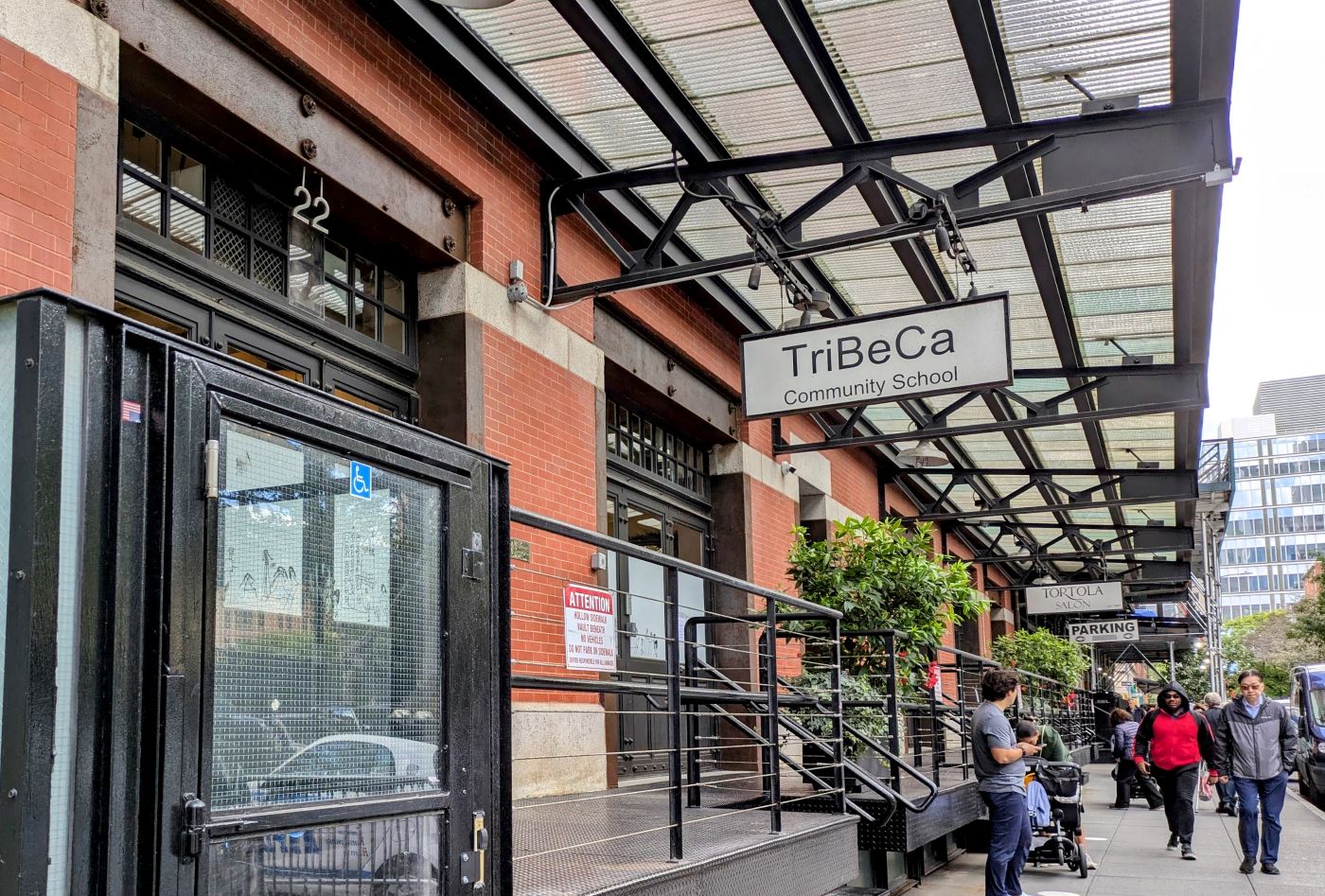
This space [next to the 1st Precinct] was brand new and they offered it to us to rent with an option to buy. It was a good choice. We started in February 2006 with 10 children in the morning and four in the afternoon.
What are you known for?
Ayala: We have a different way of setting up the space and a unique philosophy. It’s not a traditional “now you do this, now you do that.” The children have a choice of activity and those activities take as long as they are going to take, especially if they are invested. There’s not timeline. You don’t start a project knowing when it will end.
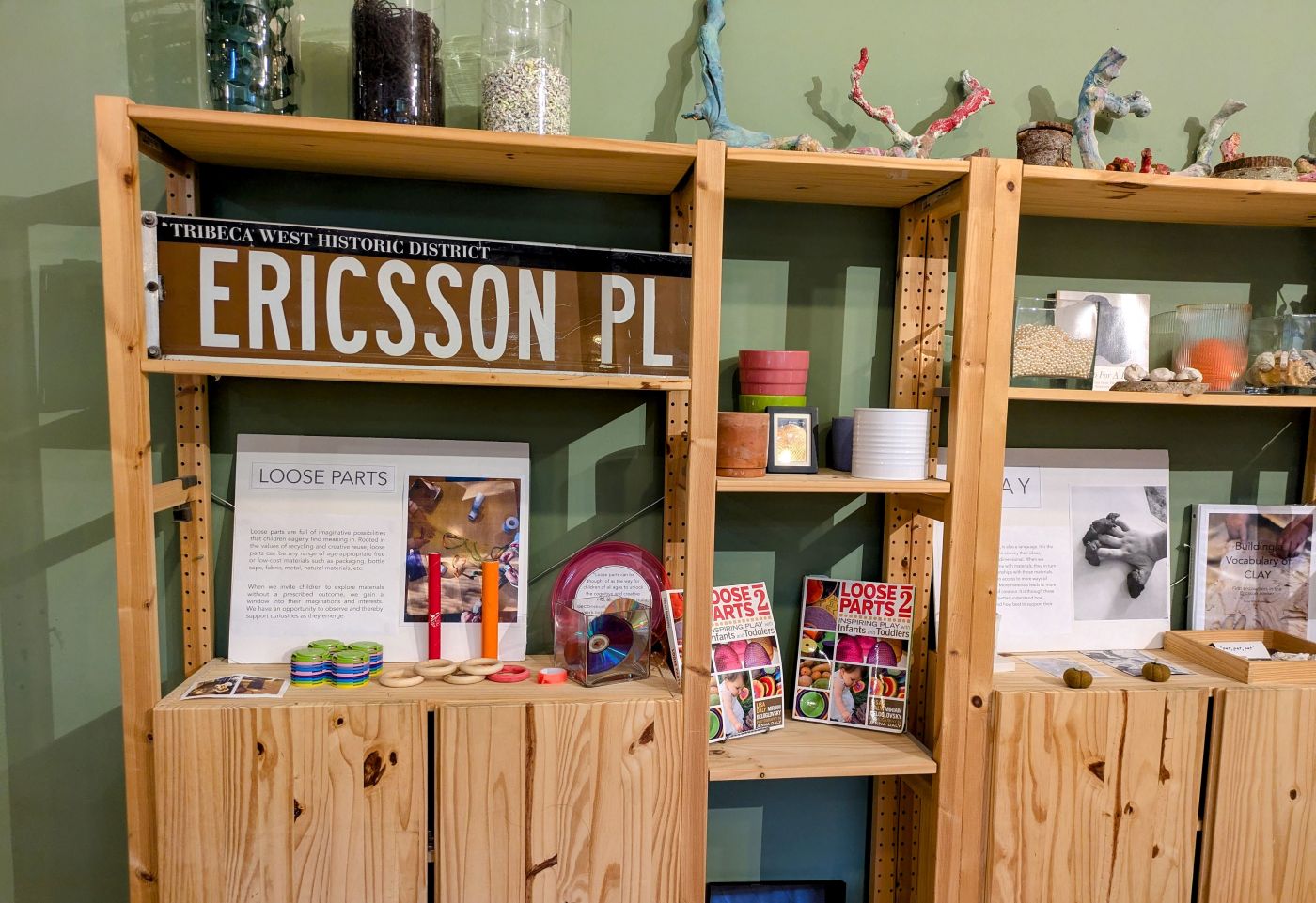
Kristen: The philosophy of creativity and choice are at the heart of it. We give them opportunity to think deeply about their work. It’s immersive, their hands are engaged, their bodies are engaged, their minds are engaged. They have this sense of meta – they are thinking about their thinking. We do a lot of reflection. Even if it’s a simple task, we try to talk about everything they do as a learning opportunity.
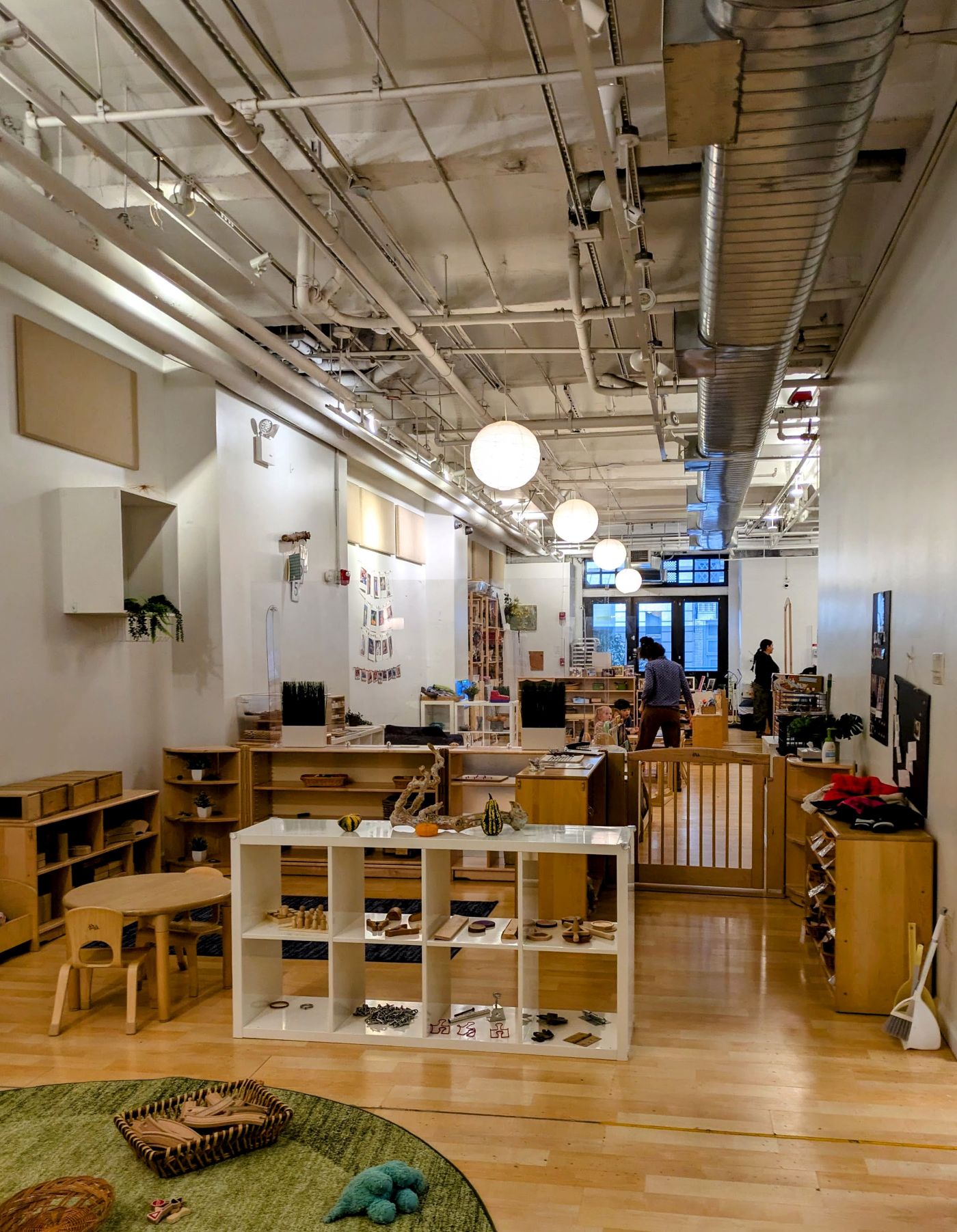
Ayala: Plus the physical space is very important.
Kristen: The open classrooms give a sense of community of the whole school. You’re not in an isolated space. The kids learn from each other and you learn from each other as professionals.
What’s the most satisfying part of what you do?
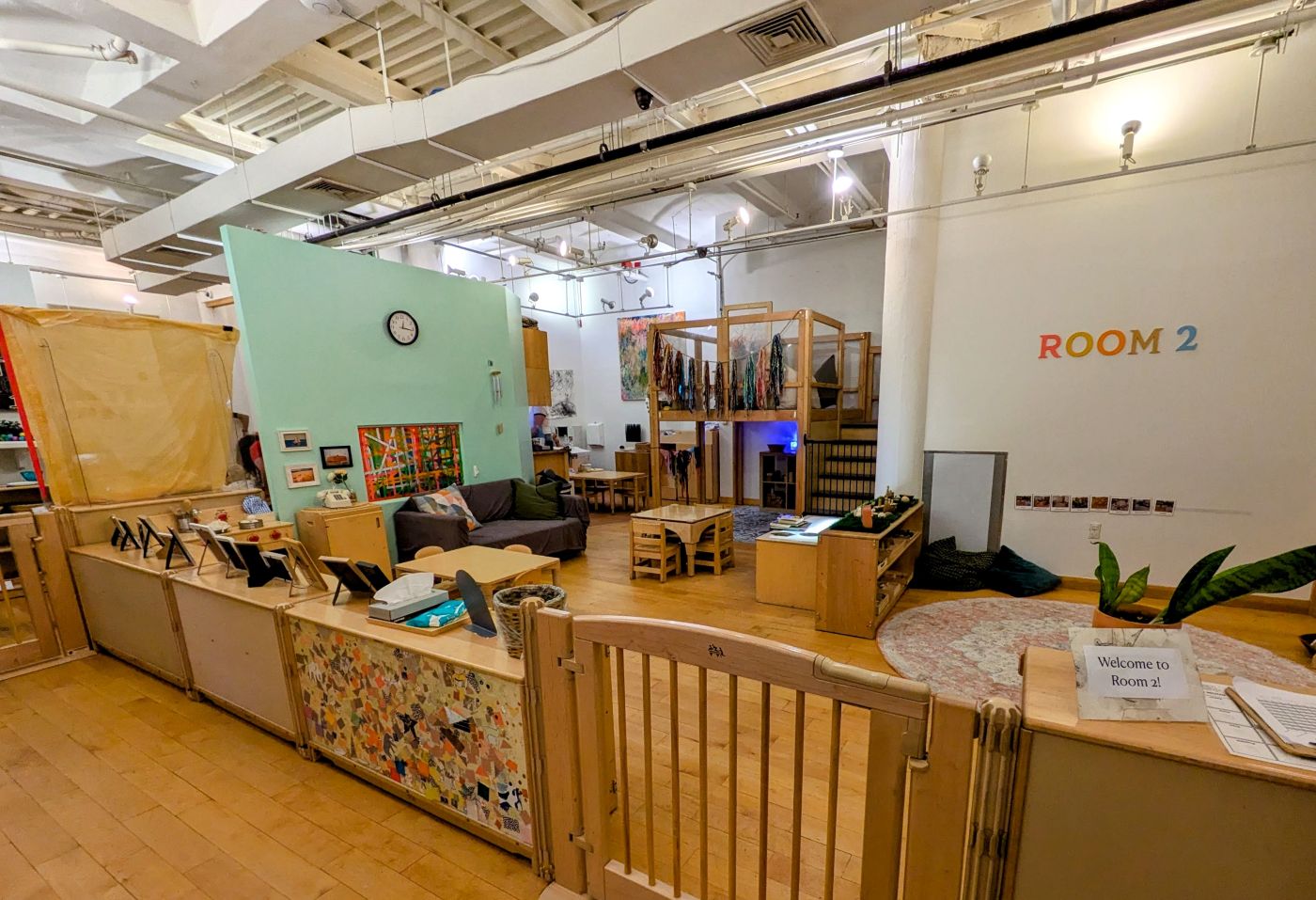
Ayala: After 20 years to see the school is here and is doing well is very satisfying. We never built walls, the freedom the children have for me is wonderful to watch to this day. That was the goal.
Kristen: Seeing my son join the program I have been building for 17 years is incredible. Listening to the questions he asks at home, I can tell the neurons are firing. The pedagogy is that we believe that children construct knowledge in every minute of their being. I now get to see the award at the end — to see kids who are excited about thinking about things, about the cycle of inquiry.
Plus I love seeing alumni on the street. I see their tiny little preschool faces on a taller body. And they tell me that they still keep in touch with kids they went to school with here.
How has Tribeca changed since you started?
Kristen: We’ve been looking through old pictures to think about our timeline. The first year we were here we had a big curriculum around the horse stables. We watched a hay delivery! There are no more raw spaces like that.
Tell me a good story.
Kristen: In 2011 Obama was visiting the first precinct. They came through the school with bomb-sniffing dogs, which was exciting. And then we took our afternoon group out to the loading dock with a sign that said “Welcome to Tribeca” and he waved to us from the motorcade.
We also got to walk through 60 Hudson, the Western Union Building, and our kids got to make a papier mache cow to mimic the Bubby’s cow, and we got to display it in the community window. We had 2-year-olds walking their big cow through that ornate building. Carl Glassman came with us because he wanted to see inside the lobby.
The school continued to grow; withing a year they had added a classroom. Ayala took an option to buy the N. Moore side that was once a gallery in 2009, breaking through the south wall. Then they expanded west to 124 Hudson in 2013. Now they have nine classrooms and 140 students, ages 2 to 5, with three teachers in each classroom and two full-time atelieristas – studio teachers. And then in 2018, Ayala sold to Dough and Babur so she could retire.
What does the future hold?
Ayaya: I’d like to think the school is here to stay. We have a reputation and it’s a pleasure to see how it is still going.
Kristen: We have a lot of families who go kicking and screaming to the suburbs. And they always ask me to help them find the TCS in Greenwich, in wherever. We have been talking internally about what that could look like.
What didn’t I ask?
Kristen: How great it is to be in Tribeca. A lot of Reggio schools are in the countryside. We adapted to the urban neighborhood, and makes for exciting curriculum. For example, our 3-year-olds were designing chairs — building chairs out of clay, drawing — and we took a trip to Espasso, where the title of the exhibit there was called Take a Seat. The children got to meet with the artist and sit in all these beautiful chairs and take that research and design their own chairs.
What’s happening around us is always trickling into the classroom. And around here, it’s always pretty amazing.
Comment:
Medium rectangle #1 (top)

Right column rectangle ads


Restaurant guide icon