


Left rectangle ads redesigned


History of Tribeca Buildings

Manhattan Youth loses contracts at 12 middle school afterschool programs
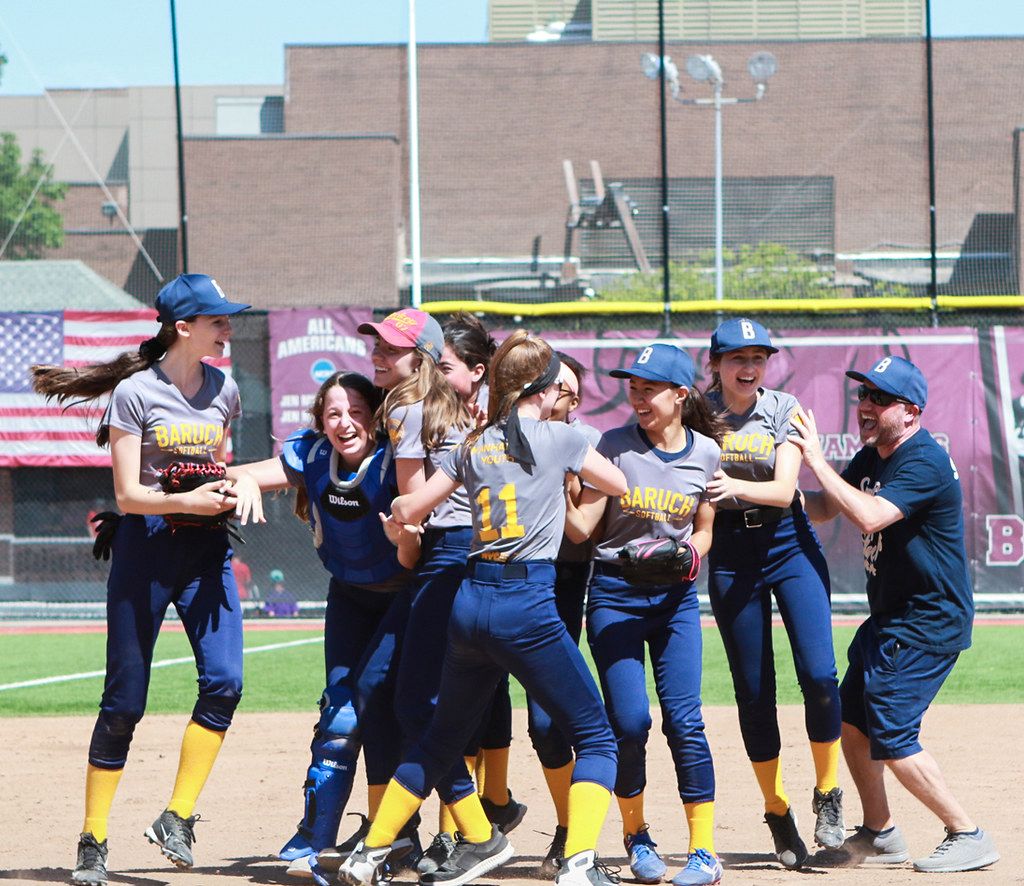
Manhattan Youth has been stripped of its city contracts at 12 middle schools and local parents are panicked — and rallying. They have started a petition which already has more than 3800 signatures, and are demanding that the city explain the reason for the change in leadership for the afterschool programs after more than a decade. There will be rallies at the middle schools today around 3p.
“Families here chose middle schools based on the strength of the after-school programs,” said one parent who got in touch. “We are now working with the community board and Community Education Council representatives across the city to get clarity on how and why these decisions were made.”
Manhattan Youth founder and executive director Bob Townley said the letter from the city’s Department of Youth and Community Development, sent May 14, said simply the proposal submitted by your organization is not being considered for award at this time. “In many schools we started the after-school programs,” Bob said. “I only know that we were ranked very high in these proposals. The process itself seems faulty. We are looking into an appeal.”
The schools affected include:
- Facing History School
- New York City Lab Middle School for Collaborative Studies
- Professional Performing Arts High School
- Quest to Learn
- School of the Future High School
- J.H.S. 104 Simon Baruch
- M.S. 255 Salk School of Science
- The 47 American Sign Language & English Lower School
- M.S. M245 The Computer School
- West End Secondary School
- J.H.S. 167 Robert F. Wagner
- Yorkville East Middle School
- The Judith S. Kaye School
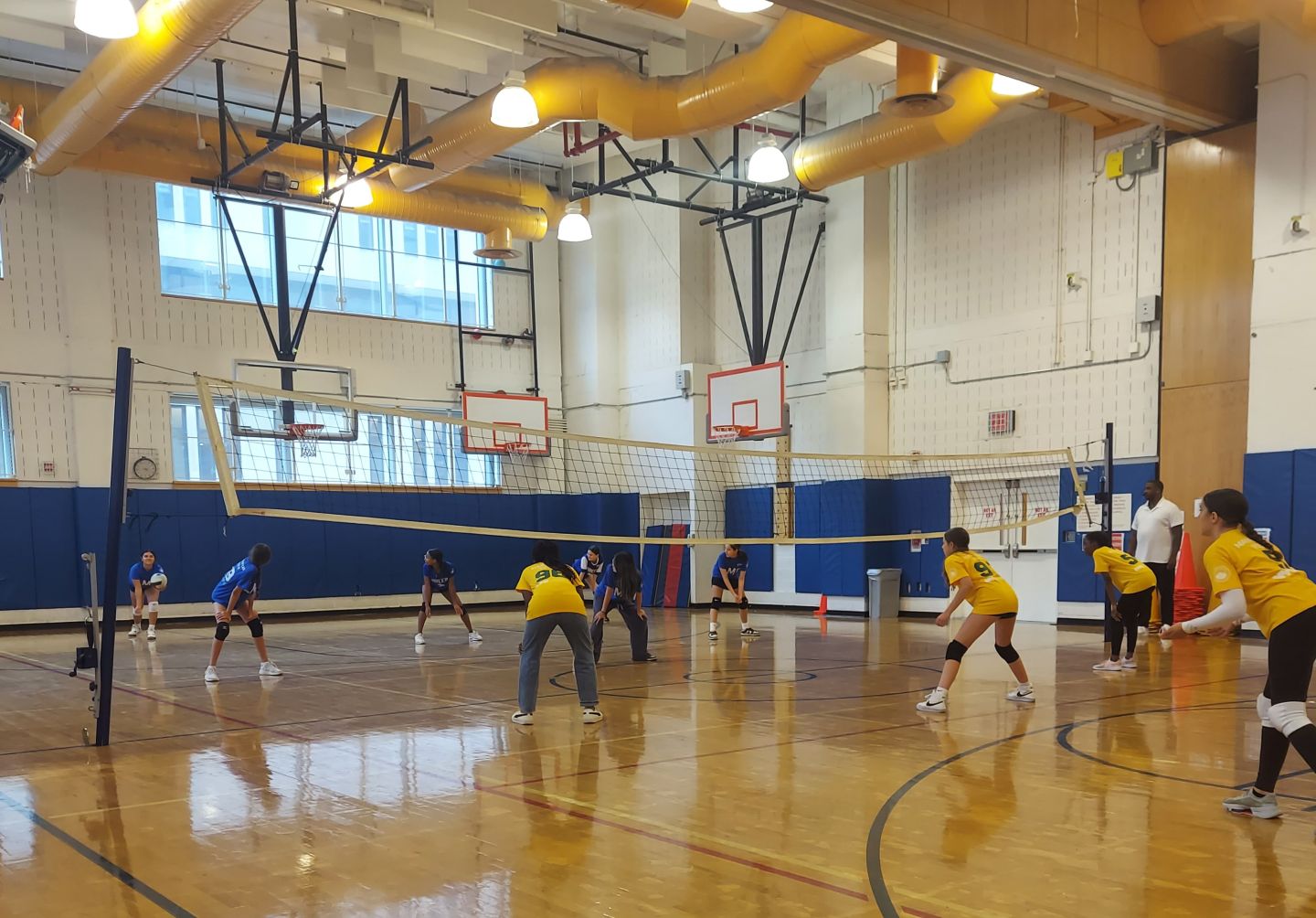
I checked with DYCD, the city agency, and this was their statement: “We recognize that transitions are challenging and that parents and youth value relationships with their afterschool providers. Families can be reassured that programs will remain free, activities will continue to be enriching and safe, and the City and school will work closely with the incoming provider to ensure a smooth transition.”
But that is not good enough for parents, who all said those relationships are hard to establish. And they are also worried that some programs, like sports leagues, are in jeopardy.
“Personally, I have two daughters in Baruch Manhattan Youth and I cannot overstate how these counselors are an integral part of their middle school experience,” said Lily Wicker, who is organizing the rally at Baruch and expects it to have big crowds.
The Change.org petition requests that the city reinstate Manhattan Youth and also explain how it got to these decisions in the first place. “This decision was made through a rushed and opaque process that excluded the very stakeholders most impacted by the outcome — students, families, teachers, School Leadership Teams, PTA leadership, and broader school communities,” the petition says. “We are deeply troubled both by the process itself and by the substance of the contract awards.”
It is worth reading.
The new providers are being awarded six-year contracts. The parents did a deep dive on the providers who did get the contract and have the following complaints:
- The Imogen Roche Foundation (IF), assigned to MS104, ASL, SALK, and the Ella Baker School, does not appear to have experience operating large-scale middle school programs or competitive athletics programming.
- Imogen Foundation reportedly does not permit outside partnerships, jeopardizing longstanding relationships with afterschool vendors and enrichment providers.
- Wagner Middle School has reportedly been assigned NYJTL, a tennis-focused organization with limited middle school presence in Manhattan schools
- The Anderson School, Dual-Language MS and The Computer School share a building but next year they will have different after-school providers. This will require duplication of efforts and loss of many shared resources and spaces. For example, Dual-Language participated jointly in many sports teams with the Computer School.
The Imogen Roche Foundation was founded in 2019 by Theseus Roche, currently its executive director. Theseus ran afterschool programs for Manhattan Youth for years; his daughter died from a fall off a Tribeca fire escape in 2018, and he founded the foundation shortly afterwards.
“Manhattan Youth staff members are not interchangeable contractors. Coaches, instructors, and program leaders have become trusted adults and integral members of our school communities,” the petition reads. “They have built longstanding relationships with students, families, teachers, counselors, principals, and administrators over many years.
“This continuity matters profoundly. Middle school is an especially vulnerable and formative period socially, emotionally, and academically. At a time when adolescent anxiety, depression, and broader youth mental health concerns continue to rise nationwide, maintaining consistent relationships with trusted adults should be a priority, not an afterthought.”
24 Comments
Comment:
Medium rectangle #1 (top)

Right column rectangle ads


Mega rectangle

Restaurant guide icon


Mamdami is going to take care of his friends. Progressive dems view this kind of government funding as slush funds to pay off their allies.
Maybe not rush to such quick conclusions that the new providers will not live up to Manhattan Youth. Theseus Roche, who heads the Imogen Foundation, was critical to the success of Manhattan Youth and its growth. Sometimes change is good…
IF wouldn’t let a beloved literacy coach use a room in the building to continue her affordable after school book club when they came to PS41. Instead, they held noisy “activities” at different tables in the cafeteria.
Meanwhile, Mike Jones, who runs the program at Baruch (A school with 40% free and reduced lunch kids) literally changed the course of my daughter’s life by advocating for her to do tech crew with Mr. Ko’s afterschool theater department.
In most of the country, outside groups are not providing after school programs, it is provided by the local school systems as part of the basic services they provide to their community. Only in NYC where we are paying the highest cost per pupil in the country, do we also have to pay outside private groups to provide these programs, where no doubt the managers of these programs are taken exorbitant salaries. This is all occurring in a backdrop where public school enrollment has declined almost 20% over the last 5 years, public spending on NYC schools has increased roughly 30% even in the face of the massive decline in the number of students, and the student performance has dropped like a rock.
And what’s your point exactly? That it’s expensive to operate schools because there’s lower enrollment? That’s basic mathematics – economies of scale. But the schools are never going to attract more students without rich programming.
I can say the entire MS104 community is crushed. I am trying to be optimistic but Imogen has no experience with middle school. The whole point of these after school programs is to provide free enrichment and extracurricular activities – and if the quality declines or the offerings diminish then parents will seek private providers and/ or the kids will be without a safe space after school …which doesn’t help enrollment in public schools.
My point is twofold. NYC should be downsizing the budget, not exploding it, to adjust to the lower enrollment. The school budget is not supposed to be a jobs program for the teachers union and school administrators. Secondly, there is no reason NYC should be paying for these private groups to provide after school activities, when virtually every other school district in the country provides these services through the schools with existing personnel. Why should NYC pay twice for basic services compared to everyone else? This is why the city is so expensive and it is a magnet for fraud and waste.
Just posted today:
https://nypost.com/2026/05/22/opinion/when-will-taxpayers-revolt-over-the-obscene-tragedy-of-nyc-schools/
https://www.ibo.nyc.gov/content/publications/2023-october-education-spending-since-1990
This seems to show that spending per pupil has actually be slower than general inflation over the last 30 years and the drop in enrollment is due to not including kids in charter schools in the denominator (which still receive public funding) in other reports.
What is your source for numbers?
No one has “rushed” to any conclusion about any potential program. The article is demanding answers for a “rushed” process in which Manhattan Youth, and the community it’s built is suffering with no answers.
It seams concerning that “This decision was made through a rushed and opaque process that excluded the very stakeholders most impacted by the outcome.” Why were schools & families not involved in this decision? If the school communities were happy with the services Manhattan Youth was providing and the programs were successful, why were they not granted to continue working with their chosen and trusted provider – Manhattan Youth? If it ain’t broke, don’t fix it!
Please keep Manhattan Youth at Ms104 Barucg
If you’ve been around for a while, you know that Theseus ( Imogene Foundation) was instrumental in building a top notch high quality after school and summer program u set the MY umbrella. His film academies were phenomenal. Imogene Foundation is incredibly well run.
Been around for over 30 years and I NEVER heard of him/them. I heard of the passing of the daughter. The kids and parents and schools need Manhattan Youth!
Theseus is the reason that Manhattan youth thrived. He is terrifically suited for the role and would hire back Manhattan Youth staff that are effective.
Not sure I really care who the founder of what is. I care about the programs that are offered and their track record. Regarding the middle school programs that will be run by Imogen, the objections are because it has zero experience running middle school programs or programs in schools as large as Baruch or Wagner. There has been zero mention from Imogen about whether their programs will even be comparable to what MY offers, including sports.
The founders of Imogen set up all the original MY after school programs and ran them successfully. They are very experienced. Principals have a huge say in picking programs as they should.
No, not the case here re: principals, although I assumed the same. Principal Macri was completely shut out of the process and his appeals were ignored—this per a letter he mailed to the parent community alerting us to the situation.
In fact, Roche is on record at a COMPASS pre-proposal discussion from back in October asking specifically about the role of individual principals in the decision process: https://www.nyc.gov/assets/dycd/downloads/pdf/COMPASS_PPC_Chat_10-21-25_Afternoon.pdf
Seems he recognized the sticking point on this one and followed up later in that same forum. He was advised at that point to post his question again in the private proposal forum to receive more info.
Yet they find millions to build a DJ school in the Bronx. Has anyone thought of collaboration?
I think what could be helpful here is to try to avoid pitting parties against one another with assumptions. Taking the facts alone, we know this: DYCD made this decision five months after the deadline for families to choose their middle school program for this coming Fall ’26. (i.e in 3 months) Many of those families chose middle schools for their children based on the strength of the after-school programs. The way our public school system is set up, after-school providers run all of the city-wide school sports leagues. They also provide tutoring help, dance, and arts programming. These city-wide programs require much time and inter-district coordination to set up. The relationships between these providers and the children in their schools are as important as any staffed school teacher. It is for all of these reasons, and others, that if DYCD wanted to diversify the providers running these programs, I think they would find more support if they provided appropriate notice (at least before middle school admissions tours the previous year) and a detailed plan for how they were going to make the transitions in the schools. It is important to note that the clearance and permit process for garnering after-school staff is lengthy.
I was sorry to see judgments here about the providers that were awarded the contracts, as they could be excellent providers and we should show support and curiosity to learn more about them. This is what always happens as a result of an opaque, rushed process. It hurts everyone.
I have no personal experience with any of these programs, but this post and the comments do not address some fundamental questions — maybe because the process lacked transparency, I don’t know.
What’s the history? How were prior contracts awarded and how often? Is it unusual to award 6-year contracts?
Was the bidding process different this year than it has been in the past? In awarding contracts, what criteria were used — cost, quality reviews, what?
Were these contracts part of an announced cost-cutting program?
And — the elephant in the room — was the Imogen Roche Foundation competing against MY (and maybe undercutting their pricing), despite Mr. Roche’s prior affiliation with MY? Hmmmm.
Many of the answers are in this article:
https://www.chalkbeat.org/newyork/2026/05/21/nyc-after-school-provider-contract-shakeup-sparks-parent-protest/
Based on this, it sounds like re-bidding the contracts allowed the city to expand the COMPASS program by 10,000 seats and update providers’ pay rates, which had become outdated. DYCD also wanted to diversify the pool of providers. In the past, a provider couldn’t even apply without a signed agreement with the principal. This year, principals were asked to rank multiple providers, giving DYCD more flexibility to weigh competitive scoring and capacity alongside school preferences.
As for your the last question, I’m not sure it’s the elephant in the room. Any organization applying for more contracts would be “competing” with the other organizations, if only one contract per site is awarded. It would be silly to say that only Manhattan Youth can bid for a specific site — although I 100% agree that there should be much more transparency in the process. Clearly DYCD didn’t think through the ramifications, especially as it relates to sports leagues.
Thanks for posting the link, the information is helpful. As with any competitive bidding situation, it’s critical that the bidders are playing on a level playing field, with published criteria, and that the selection of winning bids is based on those criteria, without improper political or other influences. That may very well have been the case here — the process and the criteria may have been made clear to the bidders in the bidding documents — and the outcomes may be consistent with those criteria. In that case, there would have been a reasonable basis for the DYCD’s decisions.
I don’t know the extent to which the City is required (or permitted) to disclose publicly the details underlying each decision, but doing that would probably invite more controversy.
The problem seems to be that some constituents don’t have confidence in the process or the outcomes (an all-too-common phenomenon these days). Perhaps the City can provide more information, and perhaps that would help, but in the end the affected families may need to reserve judgment until they live with the new providers for a school year. I assume there is an avenue to make complaints if they think a provider is not living up to its obligations.
Yeah! Why does New York even have a subway? Almost everywhere else in the country they don’t have a subway why are we paying for that waste fraud and abuse underground.
New York is different. That doesn’t make it corrupt.