


Left rectangle ads redesigned


History of Tribeca Buildings
The city is repairing one block of Greenwich cobblestones
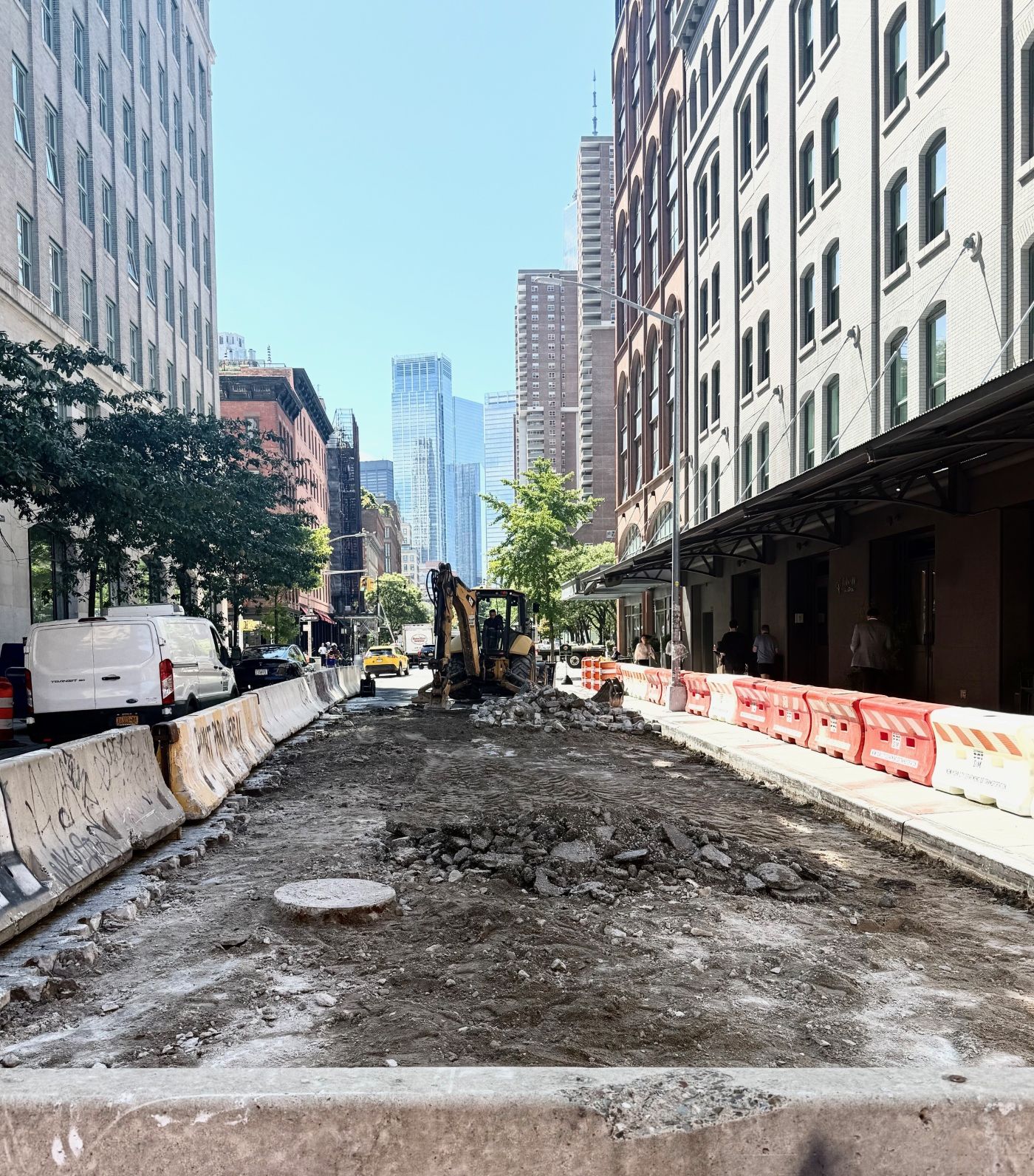
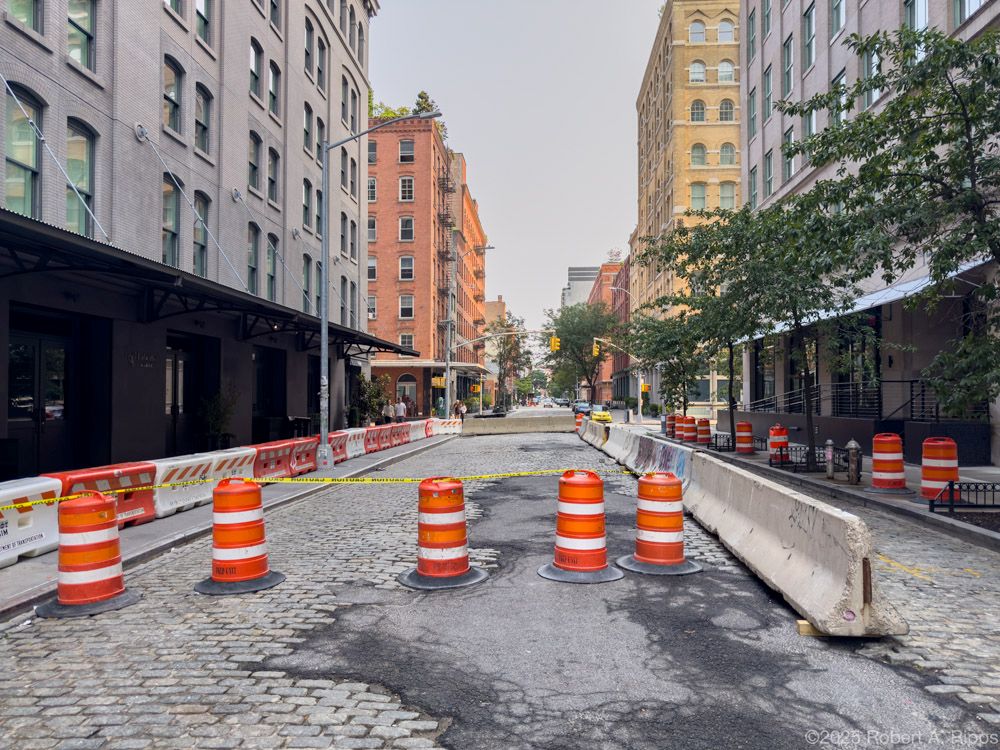
Big news: the city’s Department of Transportation is in the process — it will take three months — of repairing the cobblestones on Greenwich between Laight and Hubert. (Thanks to E. and Robert Ripps for the heads up and pictures.) And yes, they are not actually cobblestones! They are Belgian block. So maybe from here on in I will just call them stones.
“Greenwich Street is one of the city’s most iconic Belgian block roads,” a DOT spokesman said. “This restoration project highlights our broader commitment to preserving the unique character of our historic streets while helping ensure they are functional and safe.”
The DOT clearly stated that they are only doing this block, however — and the entire stretch up to Canal needs attention. The project started this week and is expected to be complete by the end of the year. A travel lane will be open the whole time.
I have been asking DOT about the plans for these block of Greenwich since 2019; I know there are neighbors who have begged for repairs for ages before that.
The DOT has done a welcome job with some of the crosswalks around the neighborhood, including some on Greenwich and Laight.
But it’s hard to understand why the rest of Greenwich is not being addressed.
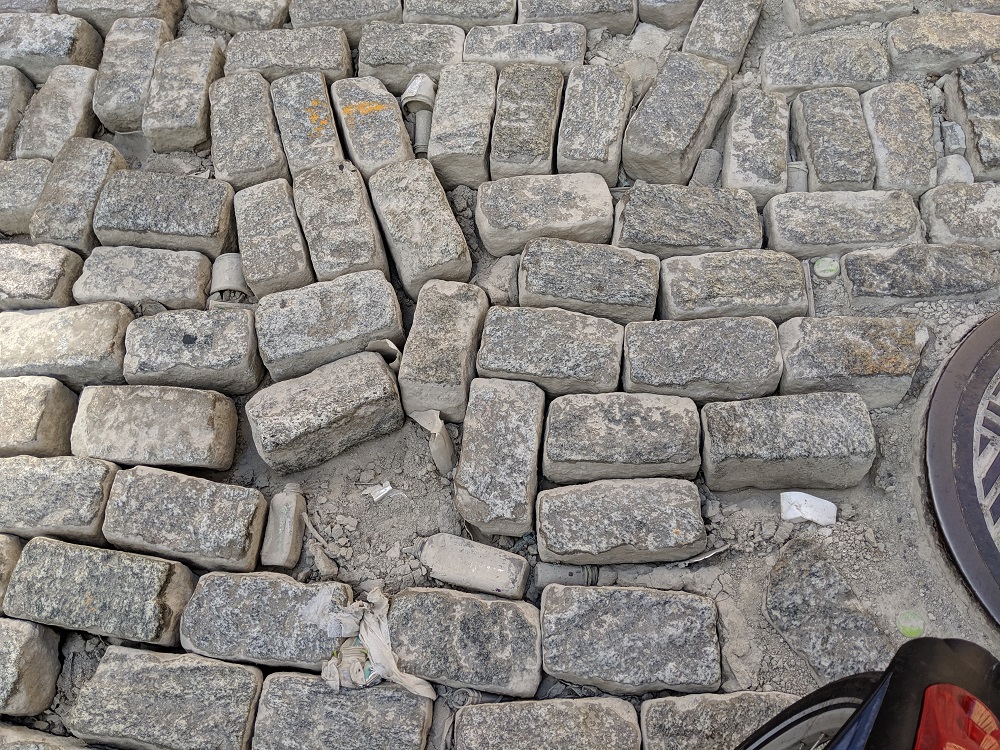
Belgian block are generally set on a concrete roadbed and sometimes have mortar between them — but more often, they are just squeezed together. The signature cut is wider at the bottom and narrower at the top, so you see the gap but in fact at their base they fit together. A dry mortar dust can be swept into the cracks and eventually set with rain fall.
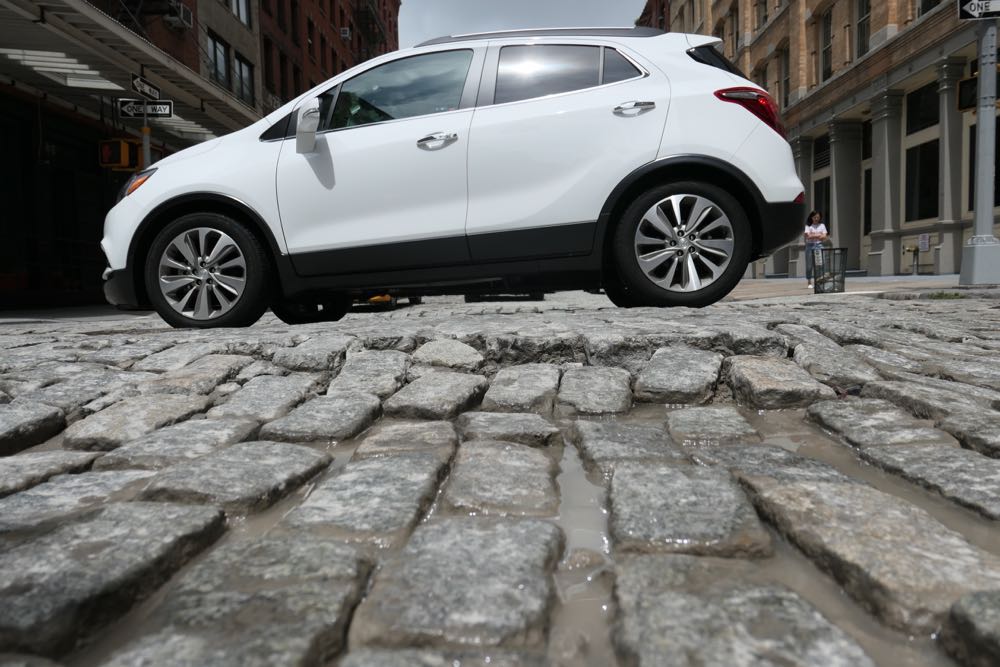
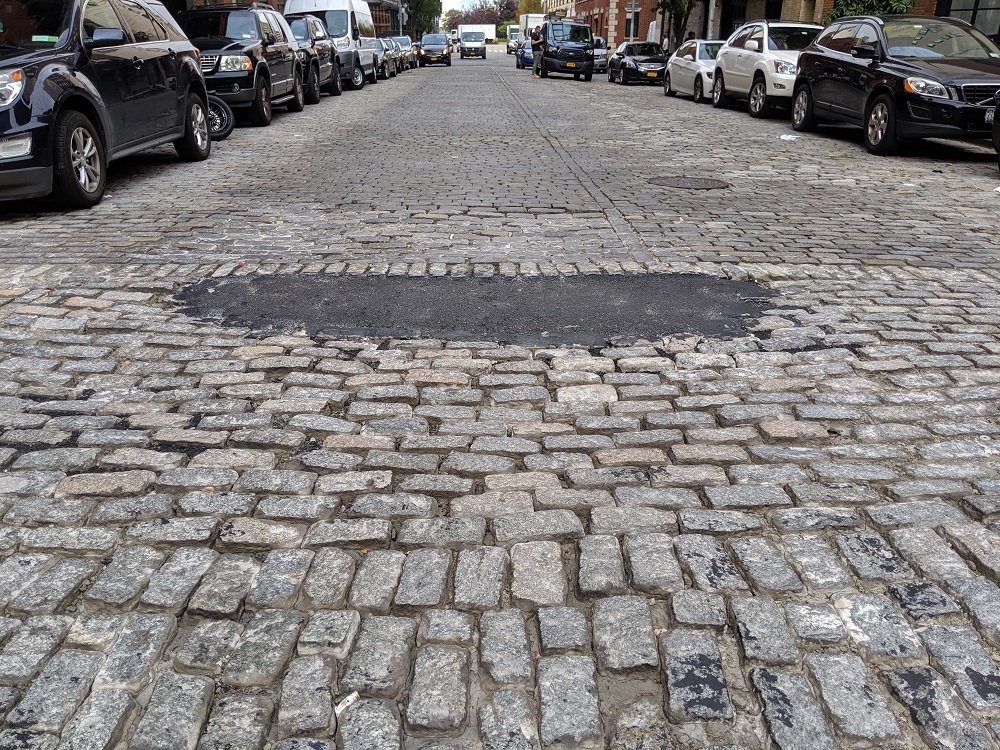
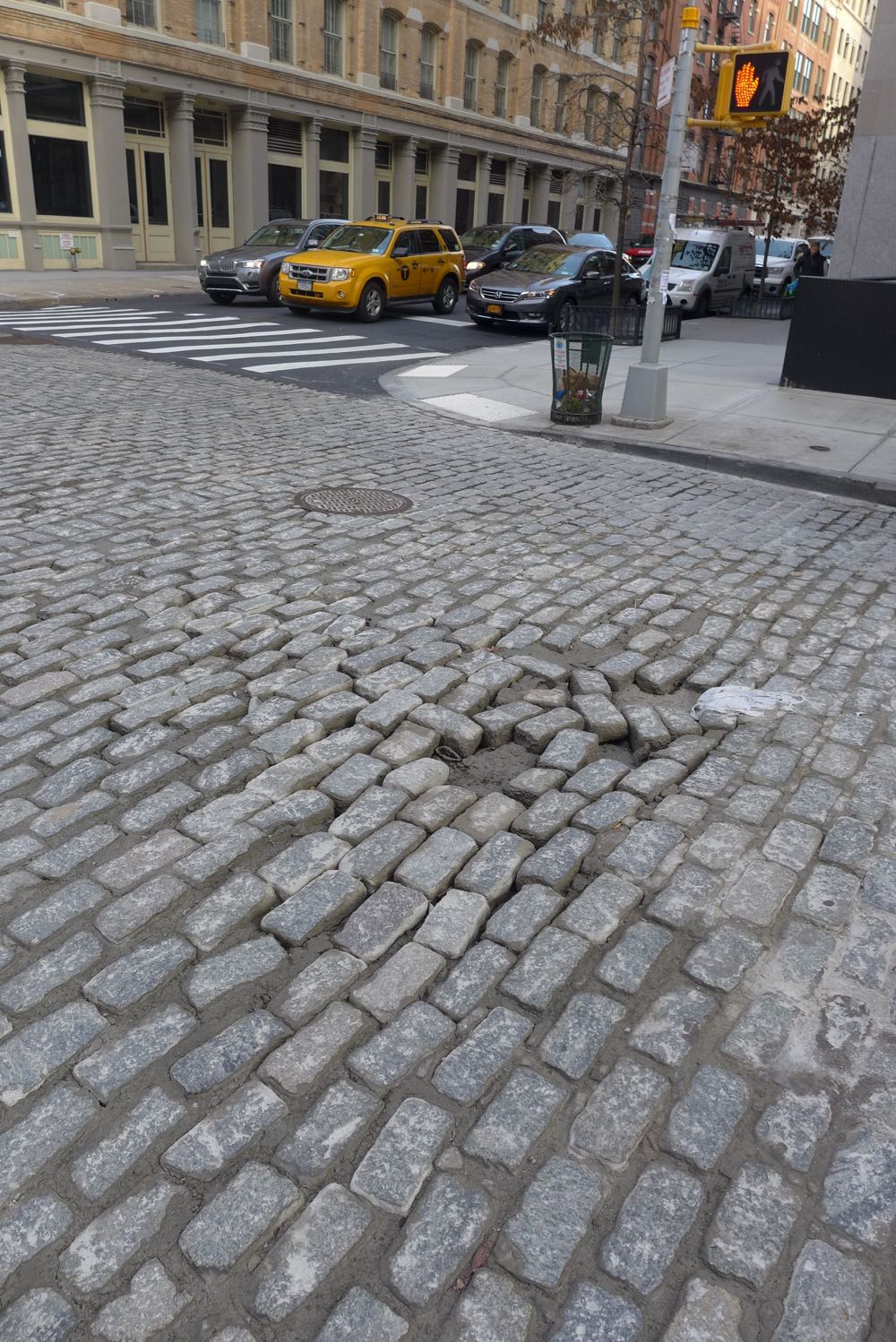
And now, I will regale you with collected images of Greenwich Street stone:

2 Comments
Comment:
Medium rectangle #1 (top)

Right column rectangle ads


Mega rectangle

Restaurant guide icon


They never lay these things correctly. The base always washes away. Europe cobbles don’t move for centuries but Tribeca ones last only 6 years. Why is that?
Because in Europe the stones are laid very close to each other, facilitating transmission of sideways force over a large area, many stones. But in NYC they are placed with a thick layer of concrete in between.The concrete is a less-resilient transmitter of sideways force, erodes, leaving individual stones with insufficient support against sideways motion.