


Left rectangle ads redesigned


History of Tribeca Buildings

Looking Back: A tickertape parade from 100 years ago
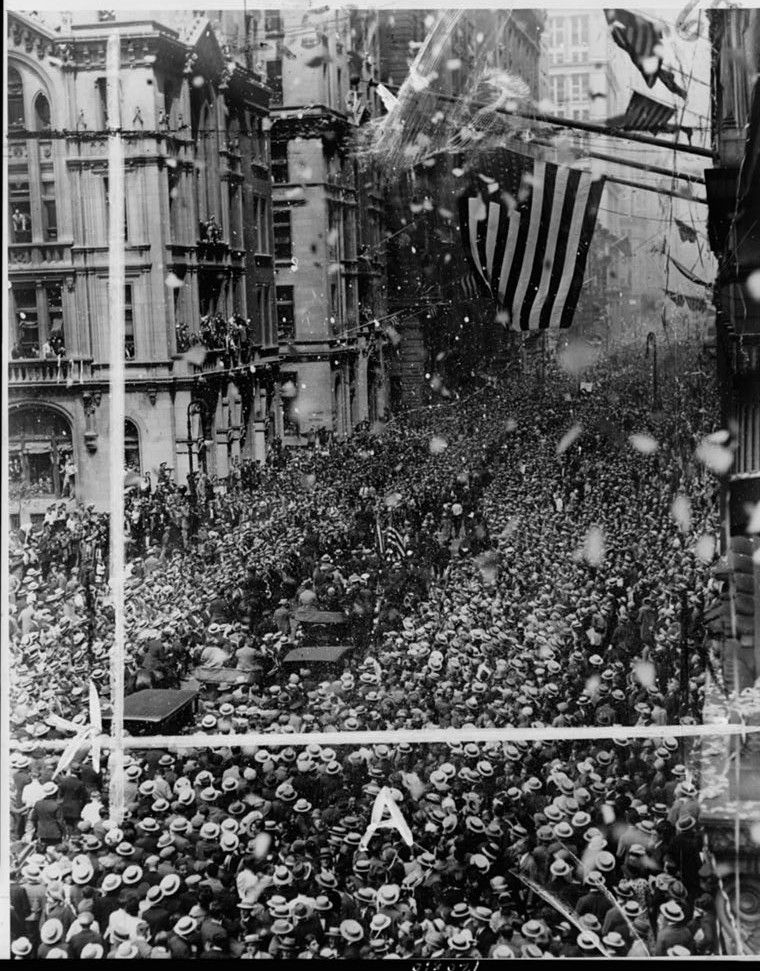
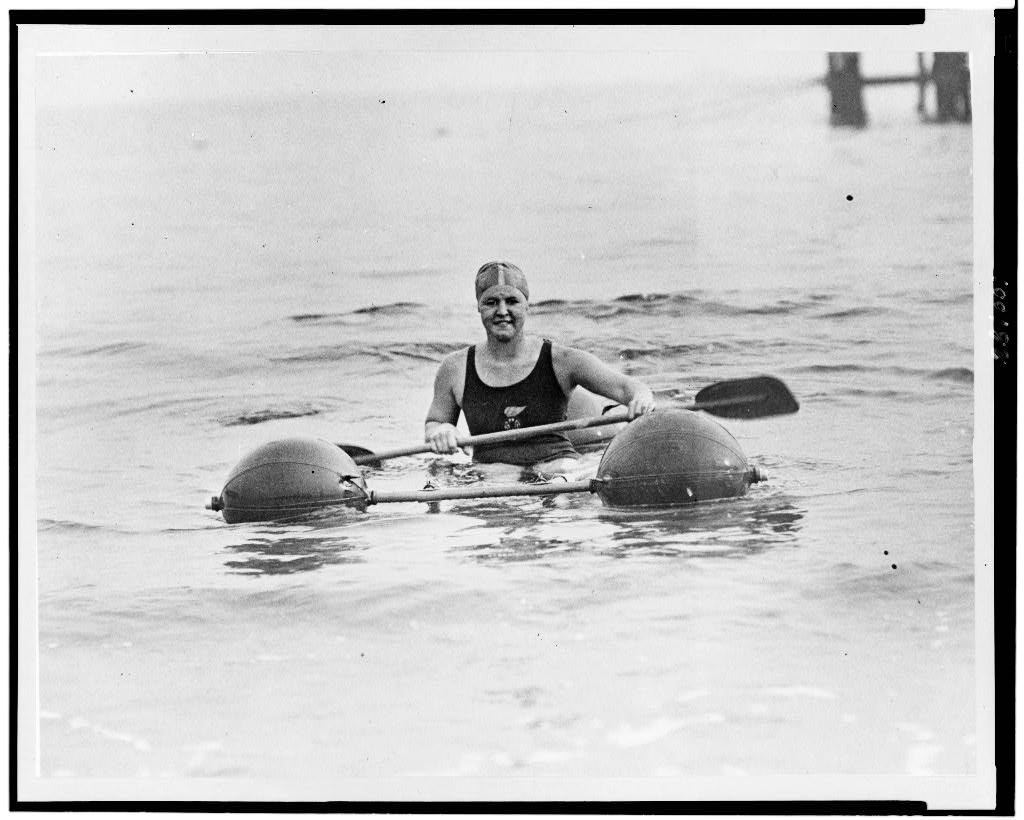
Library of Congress — New York World-Telegram & Sun collection
If you thought the Knicks ticker-tape parade was a scene — well, it was — but this one from 100 years ago seems to give it some competition.
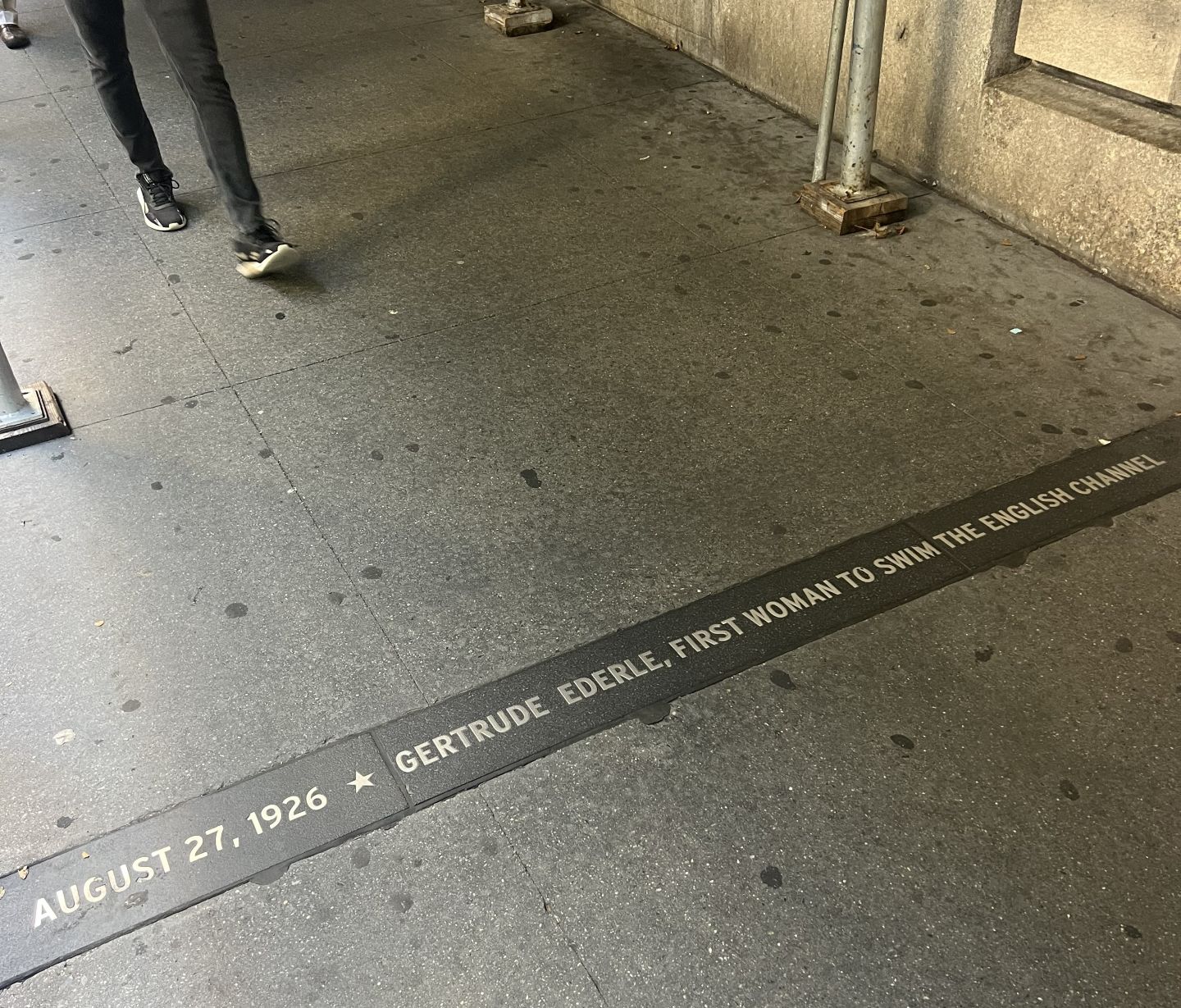
It was August 27, 1926, and Gertrude “Trudy” Ederle had, three weeks earlier, become the first woman to swim the English Channel. It took her 14 hours and 34 minutes, roughly two hours faster than any man had done it before her. A native New Yorker, Ederle was welcomed home with one of the biggest ticker-tape parades it had ever staged for an athlete. Her name is embedded into the Broadway sidewalk around Beaver Street.
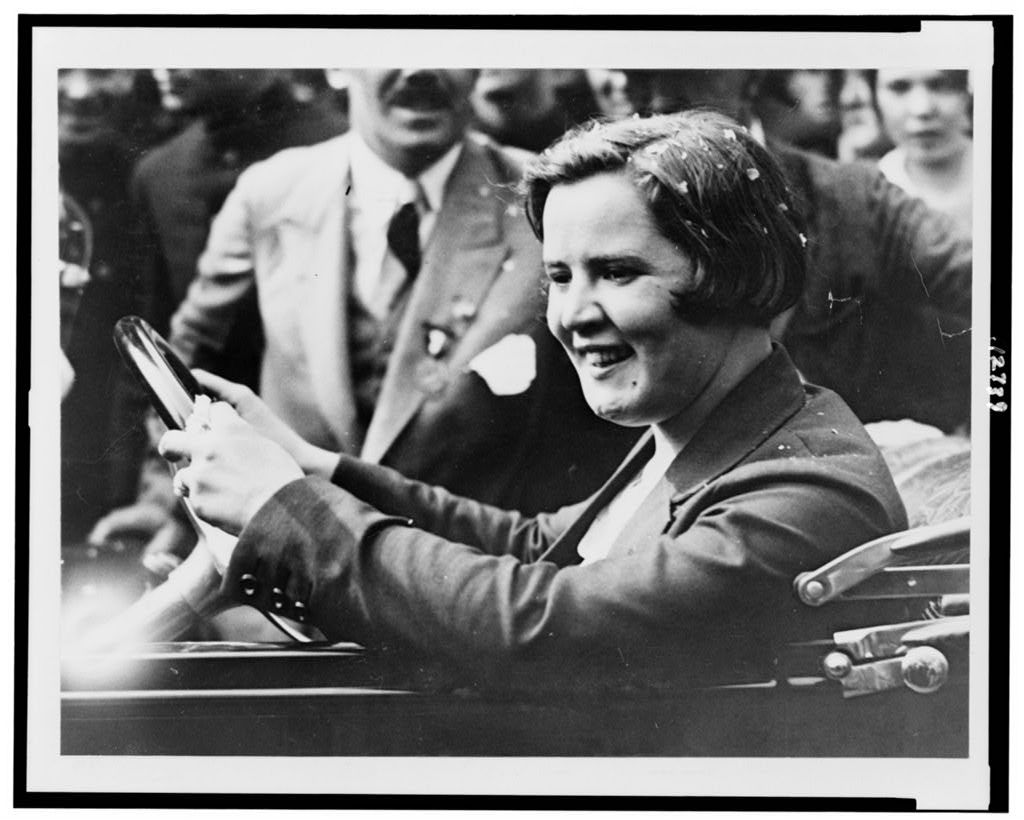
The crowd estimate was 2 million people — the city population was about 6 million at that time. President Coolidge called her “America’s Best Girl.” I have excerpted the events of those weeks in August below, but the Trudy Ederle Foundation is dedicated to another milestone in her career.
In 1933, she fell down a staircase at home and seriously injured her spine. Doctors told her she will not walk again, let alone swim. For four years she wore an orthopedic corset and then began to train — by 1939 she was swimming at the opening of the New York World’s Fair.
And there’s more! She had problems with her hearing following a childhood bout of measles, but the 14 hours in the channel accelerated her hearing loss. After that, she teaches at the Lexington School for the Deaf in New York. She never married. She had no children. She was inducted into the International Swimming Hall of Fame in 1965. She died on November 30, 2003 in Wyckoff, New Jersey — at the age of 98.
The foundation, founded just this year in Liechtenstein, supports former professional athletes through career transitions, focusing on movement, prevention, inclusion and basic care.
***************
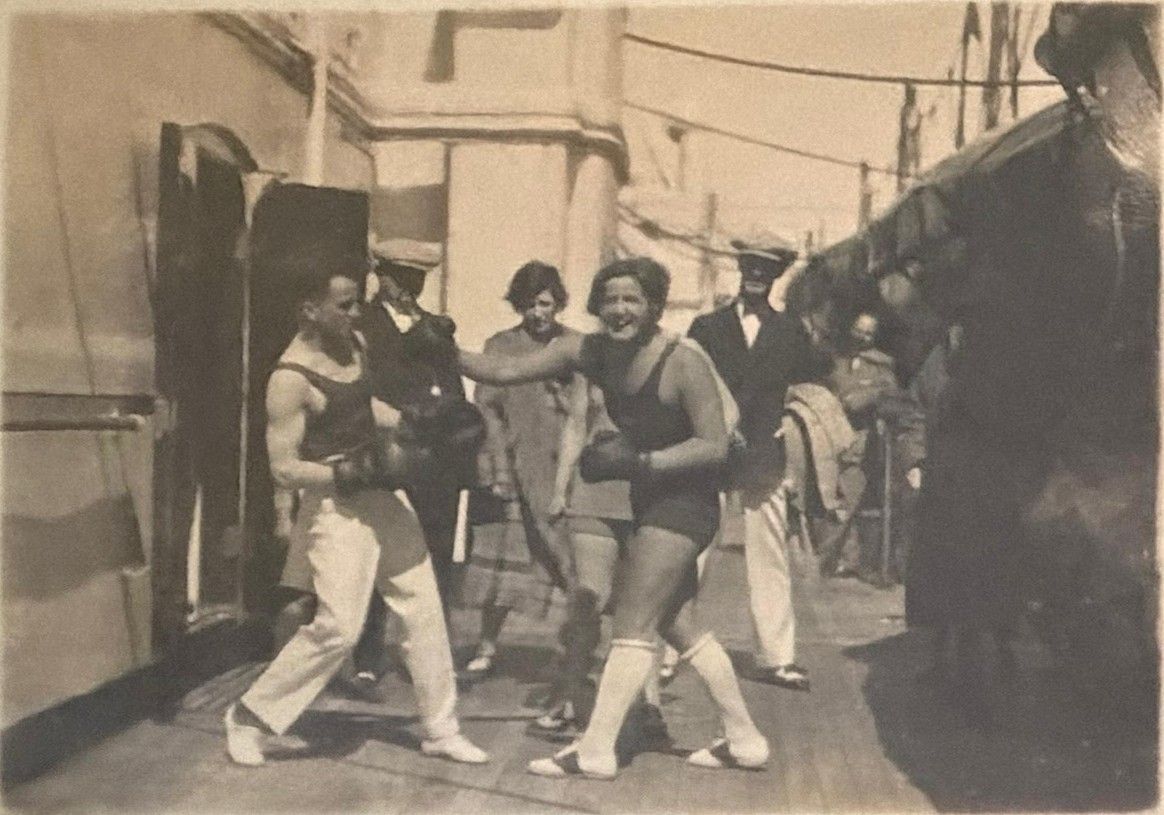
Trudy Ederle Foundation / Gertrude Ederle Private Collection, courtesy of William Charles Morrison
From the foundation: Gertrude Caroline Ederle was born on October 23, 1905, on Manhattan’s Upper West Side. Her parents, Henry and Gertrud, are German immigrants from the Württemberg town of Bissingen — Henry runs a butcher shop on Amsterdam Avenue, where the family also lives. In summers, the family travels to Highlands on the New Jersey shore. There, the first turning point of her life takes place: at age 7, Trudy falls into the water and cannot pull herself out. She survives — barely. In many children, this would have left a phobia. In her, it leaves a decision.
[Her father] ties a rope around her waist and lets her jump from the dock again and again. She learns to swim by refusing to stop. By 13, she has joined the Women’s Swimming Association of New York, one of the few places in the city where girls can train seriously. Charlotte Epstein, the WSA’s chair, and Louis Handley — a pioneer of the American crawl — become her teachers. By age 19 she holds 29 amateur world and US records.
In the summer of 1924, Trudy is on an international stage for the first time. She is 18, part of the US women’s team in Paris, and swimming in an Olympics that has come to be called the first “modern” one — the first with an athletes’ village, live press coverage, and a standing-room audience. She brings home three medals: gold with the American 4×100 m freestyle relay, bronze in the 100m, and bronze in the 400m.
After Paris she receives an offer few athletes of her time received: sponsored funding for an attempt no woman had ever made. To swim across the English Channel.
Her trainer Louis Handley would later tell the press what made her swimming distinct: she was not racing the others. She was racing the water. In the open sea, that is the difference that matters.
In the summer of 1925, Trudy makes her first attempt. She starts off Cap Gris-Nez in weather that the support boats describe as “workable, but unsettled.” For 8 hours and 46 minutes she swims. Then comes the misunderstanding that will go down in sport history.
Her trainer, watching from one of the support boats, believes Trudy has gone unconscious — she is swimming with her face submerged in a wave trough, an energy-saving technique. Alarmed, he reaches out and touches her. Under the rules of the Channel Swimming Association, the attempt is over. Trudy is furious. She would have kept swimming, she says afterward. She would have made it.
The world writes her off. “Women cannot swim the Channel,” several newspapers conclude. A sports columnist writes that “this is a job for men.” Trudy doesn’t listen. She returns to New York, trains for another year — and comes back.
“People said women couldn’t swim the Channel. But I proved they could,” she said.
August 6, 1926
7:05 | Cap Gris-Nez, France
Trudy enters the water with two drops of olive oil in her eyes. Over her skin: a layer of lanolin, Vaseline and lard against the cold. She wears a two-piece bathing suit — one of her own innovations, scandalous in its time but liberating to her stroke.
10:00 | First third
From a support boat the training team plays gramophone records — dance music, Trudy’s favourites. She swims the American crawl, the technique perfected at the WSA under Louis Handley and unconventional at the time. The wind is from the west.
13:00 | Mid-Channel
The weather turns. Two-meter waves, the support boats rolling heavily. The trainer calls for her to come out — the sea is too rough. Trudy’s reply, which everyone present will remember afterwards: “What for?”
17:00 | Off the Kent coast
Currents push her east of the planned landing. She has to aim for a different stretch of coast. Near the white cliffs of Dover she can see lights — and people on the beach with torches, marking her path.
21:39 | Kingsdown, England
She emerges from the water, stumbles up the shingle and stands. A British official, who knew nothing of her attempt, asks for her passport. Trudy laughs. 14 hours, 34 minutes — almost two hours under the existing men’s record.
Comment:
Medium rectangle #1 (top)

Right column rectangle ads


Mega rectangle

Restaurant guide icon